The “Messy Clean” Cookbook Aesthetic
Curated imperfection, lived-in design, and the return of tactile food culture
Over the past few years, something subtle has shifted in how people relate to cookbooks.
As daily life becomes increasingly screen-driven, there’s a growing pull toward slower, more physical experiences, the act of flipping pages, following a recipe without distraction, and returning to the rhythm of everyday cooking.
Cookbooks are no longer just references. They are becoming objects of pause.
And that shift is beginning to reshape cookbook design itself.
From polished perfection to curated reality
For a long time, food design leaned heavily into perfection: flawless plating, controlled lighting, and hyper-clean visual systems. Everything was styled to remove friction and present food at its most idealized state.
But cookbooks live differently.
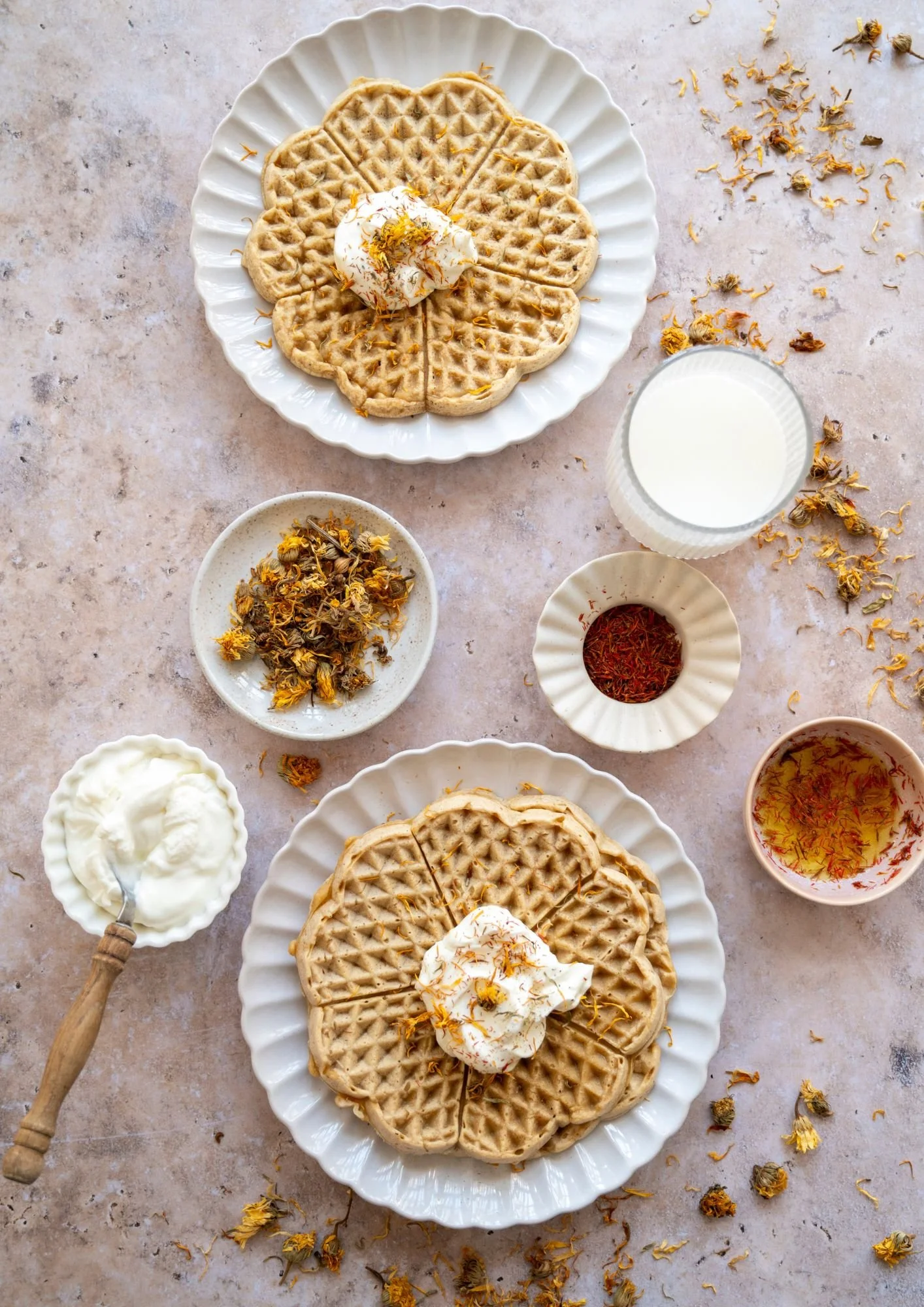
They are not campaign images. They are working tools. They sit on countertops, get stained, bookmarked, folded open, and revisited. Their purpose is use, not preservation.
Because of that, a new aesthetic language is emerging: what you could call the “messy clean” approach.
It’s still intentional. Still designed. But it allows space for imperfection.
What “messy clean” actually means
This isn’t about making things look careless. It’s about allowing authenticity to stay visible inside structure.
It shows up in small ways:
textures that feel raw rather than overly retouched
compositions that breathe instead of over-styling every element
food that looks edible, not engineered
pages that feel tactile, not sterile
visuals that suggest process, not just outcome
It’s a controlled looseness, curated, not chaotic.
The aim is not to remove design discipline, but to soften its edges.
A shift driven by behavior, not trend
This evolution isn’t just aesthetic. It reflects how people are choosing to live.
There is a noticeable return to offline rituals: cooking from physical books, spending time in kitchens without screens, and valuing routines that feel grounding rather than optimized.
In that context, highly polished visuals can start to feel distant. Impressive, but not always relatable.
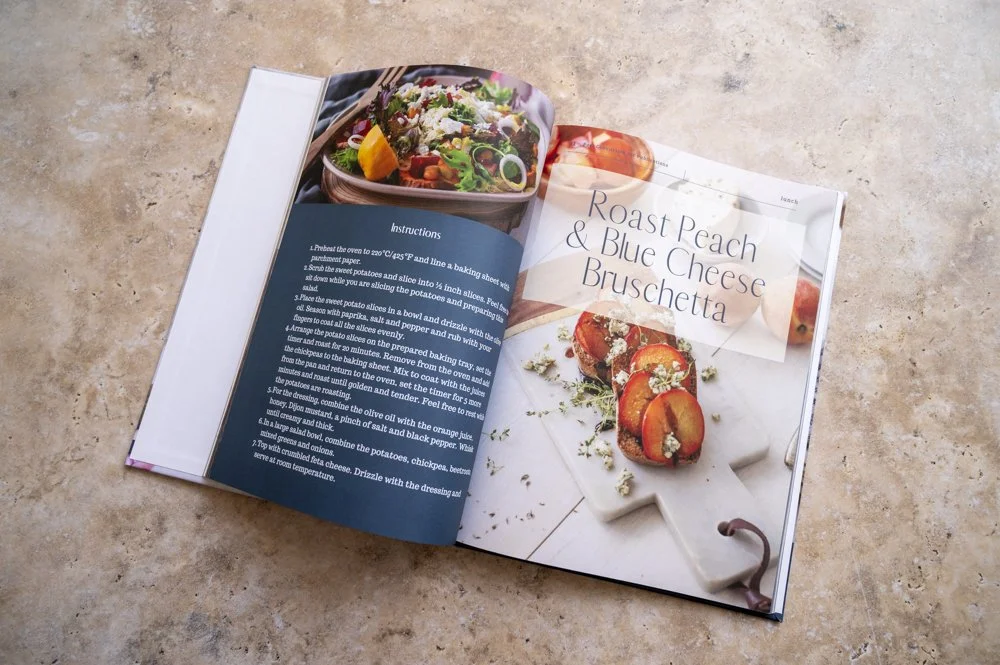
Cookbooks that feel “lived in” close that gap. They reflect how food actually exists in real homes, slightly imperfect, constantly in motion, and shaped by repetition.
Designing for use, not display
The role of cookbook design is changing.
It’s no longer just about visual impact on a page, it’s about usability, familiarity, and trust. A good cookbook doesn’t just inspire you to cook once. It invites you back again and again.
That requires a different kind of restraint from designers and food creatives:
knowing when to refine, and when to leave things untouched.
The most effective cookbooks today are not the most perfect ones. They are the ones that feel easiest to enter.
The new visual language of food
The “messy clean” aesthetic is not a rejection of design; it’s a recalibration of it.
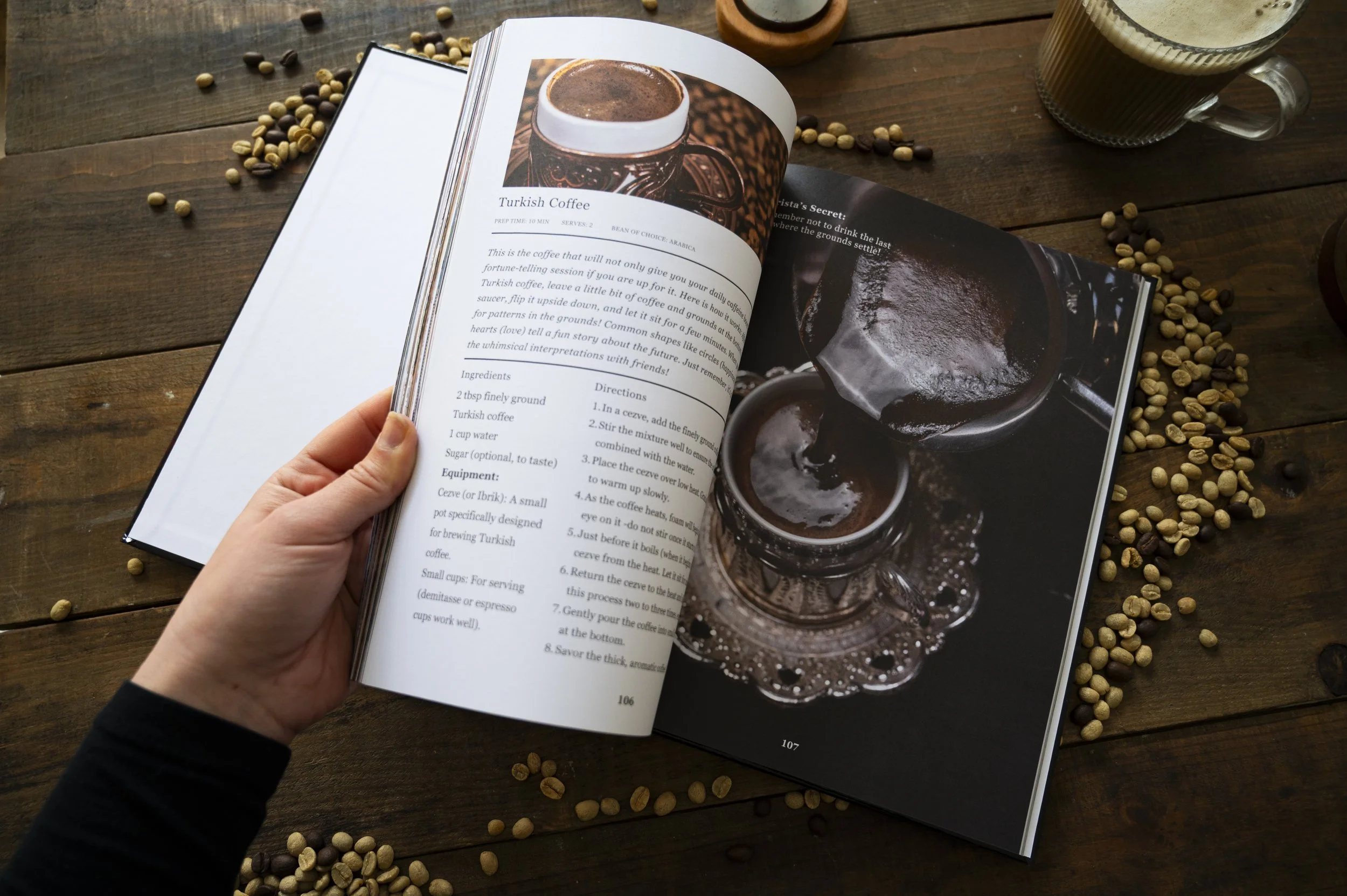
It acknowledges that food is not static. It drips, steams, breaks, softens, and changes. Good design doesn’t erase that reality. It frames it with care.
In this way, imperfection becomes part of the visual identity, not a flaw to be corrected.
Ready to Create Something Delicious?
A cookbook is more than a product, it’s a bridge between your brand and your audience. At The Chelfdom, we’re here to make that connection seamless and inspiring.
Let us help you turn your vision into a reality.
Contact us today to start crafting a cookbook that brings value to your work and leaves a lasting impression on your audience.